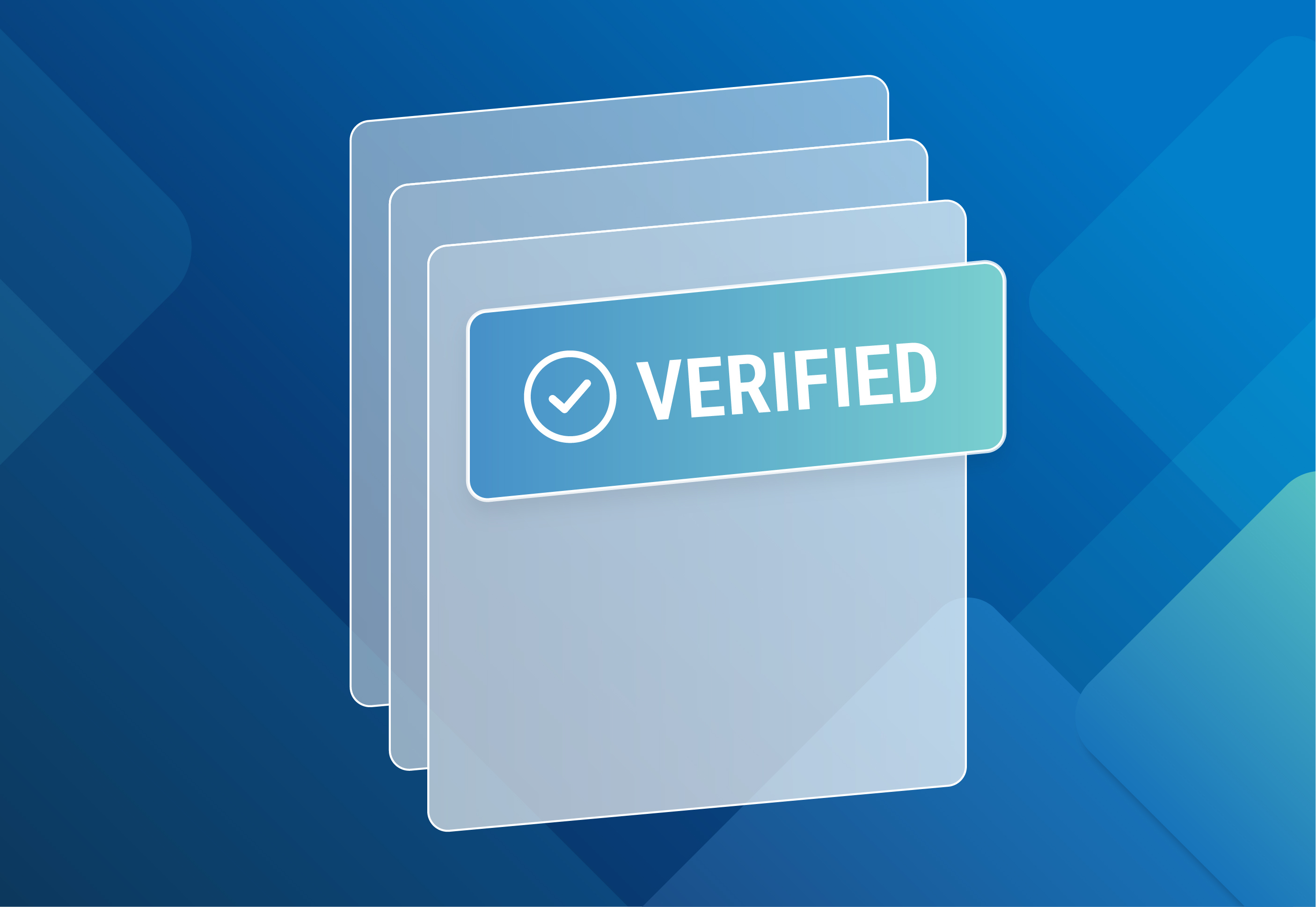
The internet runs on trust. We trust that a website is legitimate, that a file is safe to install, that a message came from who it says it did. But as digital content becomes easier to generate and harder to verify, that trust is beginning to fray. The next step is clear: We need a way to prove what’s real.
The challenge now is to extend the same kind of assurance that protects data and identity to the content we see and share every day. Just as digital certificates and encryption made the internet safe for commerce and communication, a new trust layer is emerging for creative and informational ecosystems. At its heart is content provenance—the ability to cryptographically verify where a piece of media came from and how it's been edited along the way.
The rise of provenance as digital infrastructure
The Coalition for Content Provenance and Authenticity (C2PA) was founded to make this kind of integrity measurable and verifiable. It brings together technology providers, media platforms, and security experts to establish an open specification for embedding verifiable provenance data into digital content. The goal is straightforward but powerful: to help people, systems, and platforms know the origin of content and trust the chain of custody from creation to publication.
Provenance data can be built directly into content workflows, verified by applications, and anchored in the same cryptographic principles that power digital trust across TLS, code signing, and identity management. As content travels across devices and platforms, trust data can follow it, allowing automated systems to confirm its legitimacy at every step.
From identity to authenticity
DigiCert has long been part of defining how digital identity works at scale—securing websites, software, and devices through public key infrastructure (PKI). Now, expertise in cryptographic assurance extends naturally to content authenticity.
Recently, DigiCert became one of the first certificate authorities on the C2PA Trust List, issuing certificates and providing trusted timestamping to C2PA Generator, Validator, and Device-conforming products. These certificates enable developers and content platforms to sign, verify, and time-stamp digital media in compliance with the C2PA standard.
Beyond that, DigiCert supports the Creator Assertions Working Group (CAWG), helping define how content manifests can be signed and verified to maintain authenticity across diverse creative workflows. These contributions help operationalize provenance in the real world, turning standards into trustable signals.
Why this matters now
The scale of AI-generated content has made provenance essential infrastructure. Text, images, and videos can now be created or manipulated so convincingly that detection alone is no longer enough. What’s needed is cryptographic proof—a verifiable way to confirm that content is genuine, untampered, and created by a known source.
Provenance frameworks like C2PA are enabling new tools and APIs to build these proofs directly into content workflows. Security teams can begin to treat content verification as part of their overall trust model, alongside identity, access, and data integrity. The result is a shift from reactive detection to proactive validation.
This shift also protects more than just reputations or intellectual property. It protects the foundation of digital trust itself, ensuring that as content becomes more algorithmically generated, the chain of authenticity remains human-verifiable and cryptographically sound.
The evolution of digital trust
The inclusion of DigiCert in the C2PA Trust List isn’t just a milestone; it’s part of a broader evolution in what it means to be a trusted authority. Trust now extends beyond domains and code to the content we consume and share every day. Organizations adopting C2PA-backed workflows are effectively extending PKI’s proven model to a new frontier, a place where provenance, integrity, and transparency define the boundaries of what’s real.
That evolution marks a shift from static assurance to intelligent trust—trust that adapts to new technologies, new risks, and new forms of creation. Through the DigiCert ONE platform, organizations can already manage certificates, automate workflows, and secure IoT devices at scale. As provenance and authenticity frameworks mature, these same capabilities will support signing, verification, and timestamping for digital content, building the connective tissue of a more trustworthy internet.
Get early access: Join the DigiCert Content Trust Beta Program
If you’re developing or integrating digital media tools and exploring how to prove authorship, verify edits, or embed provenance at scale, we’d love your help shaping what comes next. Join the DigiCert Content Trust Beta Program to test emerging tools for C2PA-backed signing and verification and to be part of the future of intelligent trust in digital content.
Our beta program is currently geared toward technical and developer audiences, but we welcome interest from anyone curious about applying these capabilities or exploring future possibilities. While we can’t accommodate every inquiry, we’ll do our best to connect and collaborate where there’s a great fit.
Featured Stories
DigiCert’s 2029 post-quantum infrastructure migration plan
.png)
Certificate lifecycle management reaches an inflection point
Subscribe to the blog
-

DigiCert is a global leader in intelligent trust, securing people, data, and devices with AI-powered solutions built to stop threats today and prepare for a quantum-safe future.
-


-
© 2026 DigiCert, Inc. All rights reserved.
Legal Repository Audits & Certifications Terms of Use Privacy Center Accessibility Cookie Settings